
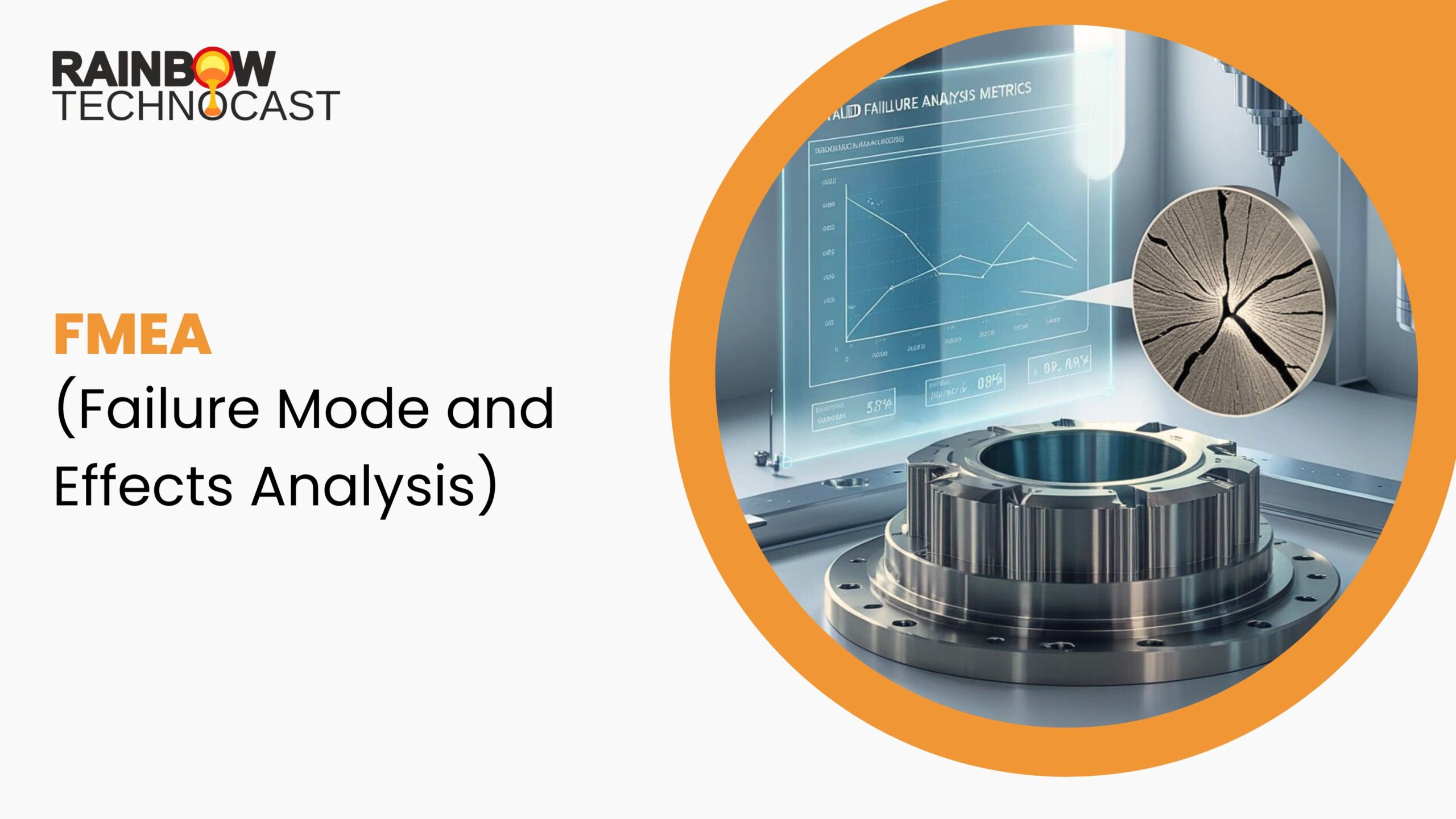
Failure Mode and Effects Analysis (FMEA) is more than just a systematic methodology; it’s a proactive approach that empowers teams to identify potential failures in products, processes, or systems before they occur. Developed by the U.S. military in the 1940s, FMEA has become a cornerstone in various industries, including automotive, aerospace, healthcare, and manufacturing. The primary goal of FMEA is to enhance product reliability, improve safety, and reduce the risk of failures by systematically analyzing potential failure modes and their effects on operations or outcomes.
At its core, FMEA comprises two main components: Failure Mode (FM) and Effects Analysis (EA). The failure mode refers to how something might fail, while effects analysis studies the consequences of those failures. This dual focus allows organizations to prioritize risks based on severity and likelihood, enabling them to take proactive measures before issues arise.
FMEA is particularly relevant for companies like Rainbow Technocast, which is committed to manufacturing excellence. By integrating FMEA into their processes, they can ensure high-quality investment castings while minimizing risks associated with production failures.
Types of FMEA Analyses
FMEA can be applied at various levels within an organization, allowing for flexibility and adaptability based on specific needs. The three primary types of FMEA are:
- Design FMEA (DFMEA): This analysis focuses on preventing potential failures during the design phase of a product. By examining each component’s functionality and identifying possible failure modes early on, DFMEA enables engineers to make informed design decisions that enhance reliability.
- Process FMEA (PFMEA): PFMEA assesses risks associated with manufacturing processes. It helps organizations understand potential risks at each step of production, from material handling to assembly. By identifying failure modes in processes, companies can implement controls to mitigate risks effectively.
- Functional FMEA (FFMEA): This type emphasizes understanding how a system or product functions and identifies potential failures before corrective actions are needed. FFMEA is crucial for ensuring that all components work harmoniously together.
How to Perform a Failure Mode and Effects Analysis
Conducting an effective FMEA involves several structured steps that facilitate thorough analysis and documentation:
- Identify Potential Failures and Effects: Begin by analyzing functional requirements to identify all possible failure modes. Understanding how each component might fail helps create a comprehensive list of potential issues.
- Determine Severity: Rate the seriousness of each failure’s consequences on a scale from 1 to 10, where 1 represents minimal impact and 10 signifies catastrophic outcomes.
- Gauge Chances of Occurrence: Assess the likelihood of each failure mode occurring based on historical data or expert judgment.
- Identify Failure Modes: Brainstorm all possible ways a process could break down, considering how each component could fail or malfunction.
- Outline the Effects of Each Potential Failure: For every identified failure mode, determine its consequences on the system, process, customer satisfaction, or organizational goals.
- Determine Severity Ratings: Assign severity ratings based on the potential impact of each failure mode on overall performance.
- Rank Occurrence: Rank the probability of each failure mode occurring on a scale from 1 to 10.
- Calculate the Risk Priority Number (RPN): Multiply severity, occurrence, and detection ratings to prioritize issues effectively.
- Take Action on High-Priority RPNs: Implement corrective actions for high-priority risks identified through RPN calculations.
- Re-evaluate Regularly: As changes occur within processes or products, continuously revisit and update your FMEA analysis to ensure ongoing effectiveness.
By following these steps diligently, organizations can mitigate risks effectively while enhancing their overall performance.
Benefits of FMEA
The advantages of implementing FMEA are manifold:
- Early Identification of Failures: By proactively identifying critical failure modes early in development or production phases, organizations can prevent costly errors down the line.
- Design Improvement: FMEA allows for modifications at early stages in product development, ensuring designs are robust before reaching production.
- Risk Reduction: Systematic risk assessment leads to targeted mitigation strategies that lower the probability of failures occurring.
- Enhanced Reliability: Proactively addressing potential failures increases both product reliability and customer trust.
- Cost Savings: Early detection and correction of issues can prevent expensive recalls or rework later in the process.
- Safety Assurance: In industries like healthcare or aerospace, where safety is paramount, FMEA plays a crucial role in protecting patients and operators alike.
FMEA in Practice
FMEA has been successfully implemented across various industries with remarkable outcomes:
Automotive Industry
In the automotive sector, FMEA has proven invaluable for enhancing safety and minimizing recalls. For instance, Ford Motor Company adopted FMEA after facing severe repercussions from design flaws in their Pinto model during the 1970s. By systematically analyzing potential failure modes in critical systems like braking and fuel systems, Ford significantly improved vehicle reliability and safety standards.
Toyota also utilized Design FMEA (DFMEA) to address airbag deployment issues by identifying potential material defects under extreme conditions. This proactive approach not only reduced warranty claims but also strengthened consumer trust—an essential factor for success in today’s competitive market.
Aerospace Industry
In aerospace applications where failure is not an option, NASA employed FMEA during its Apollo missions to ensure mission success and safety for astronauts. The meticulous analysis allowed engineers to identify critical systems’ risks early in development stages—leading to enhanced reliability throughout aircraft lifecycles.
Healthcare Sector
FMEA is also widely adopted in healthcare settings to prevent medication errors by analyzing dispensing processes. Hospitals have successfully implemented PFMEAs to identify risks associated with medication administration procedures—ultimately improving patient safety outcomes.
Renewable Energy
In renewable energy sectors such as solar panel manufacturing or wind turbine operation, FMEA helps ensure system reliability under varying environmental conditions. For example, solar panel manufacturers use DFMEA to assess material degradation risks under UV exposure—enabling them to implement corrective measures proactively.
Conclusion
FMEA stands as a powerful tool for organizations aiming for excellence in product reliability and process efficiency. By systematically identifying potential failures and their effects through structured analysis, companies like Rainbow Technocast can not only enhance their manufacturing processes but also build lasting trust with customers through consistent quality assurance.
As industries evolve with new technologies like AI and IoT integration—adapting FMEA methodologies will be crucial for addressing emerging challenges while maintaining high standards of safety and reliability. Embracing this continuous improvement mindset ensures that organizations remain resilient against future uncertainties while delivering exceptional value to their stakeholders.
Incorporating FMEA into your operational strategy is not just about compliance; it’s about fostering a culture of excellence that prioritizes quality at every level—ensuring your organization thrives amidst ever-changing market dynamics!