
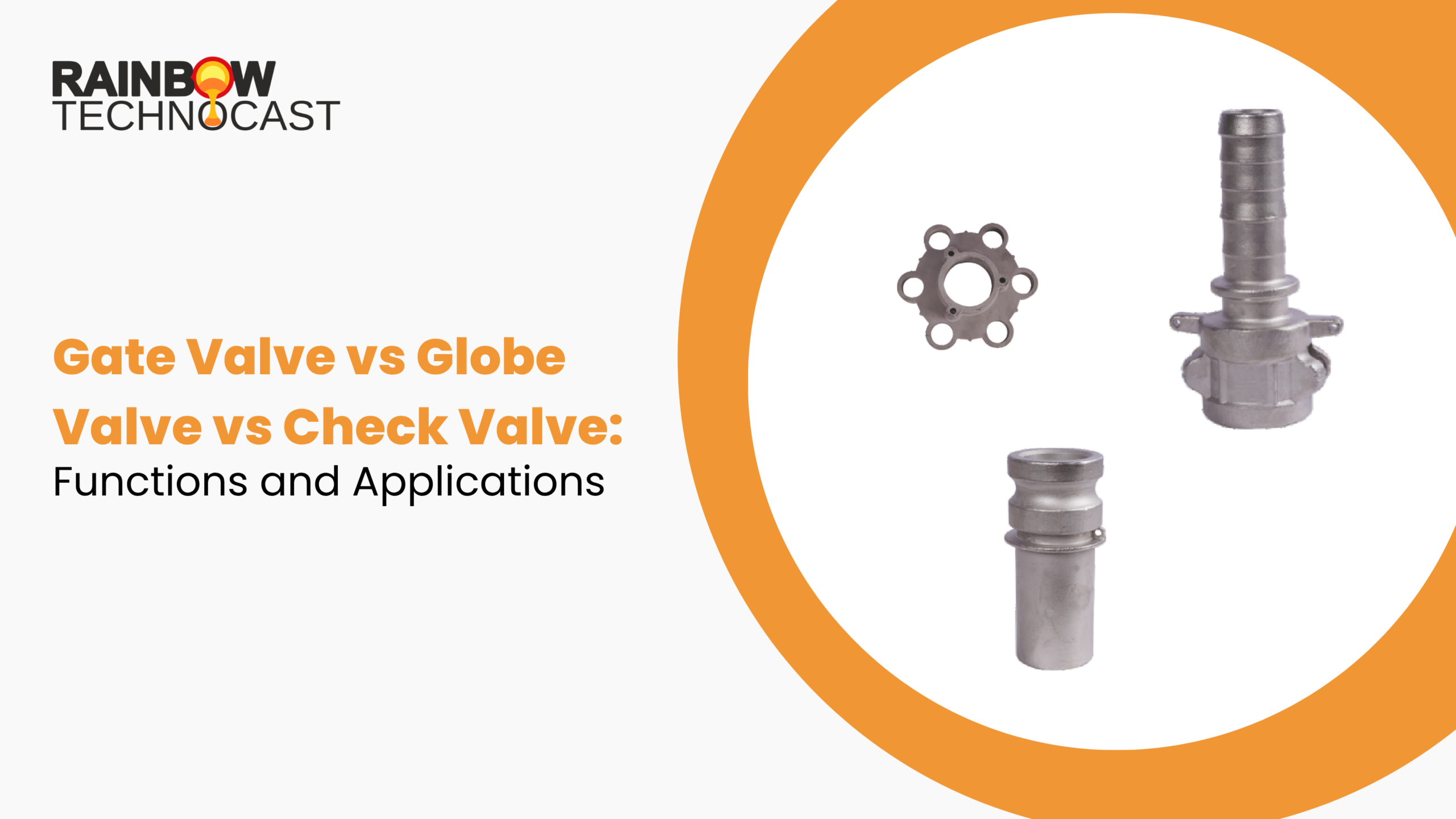
Gate Valve vs Globe Valve vs Check Valve: Functions and Applications
A pipeline may need to stop flow, adjust flow, and prevent reverse flow at different points. Those duties explain why gate, globe, and check valves often appear in the same
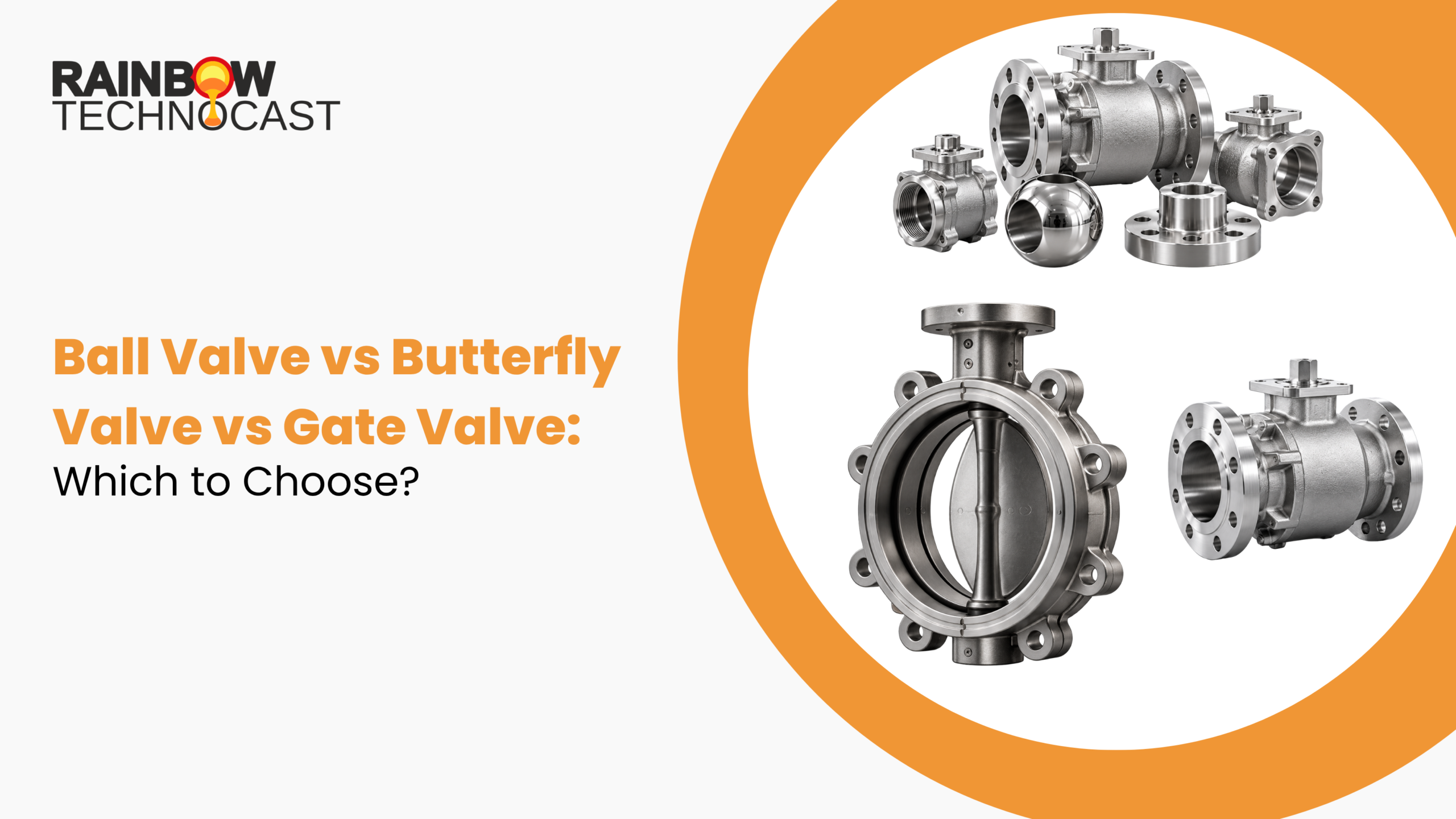
Ball Valve vs Butterfly Valve vs Gate Valve: Which to Choose?
Three valves with the same nominal diameter can behave very differently in service. One offers a nearly clear flow path, another fits a restricted installation space, and another suits frequent
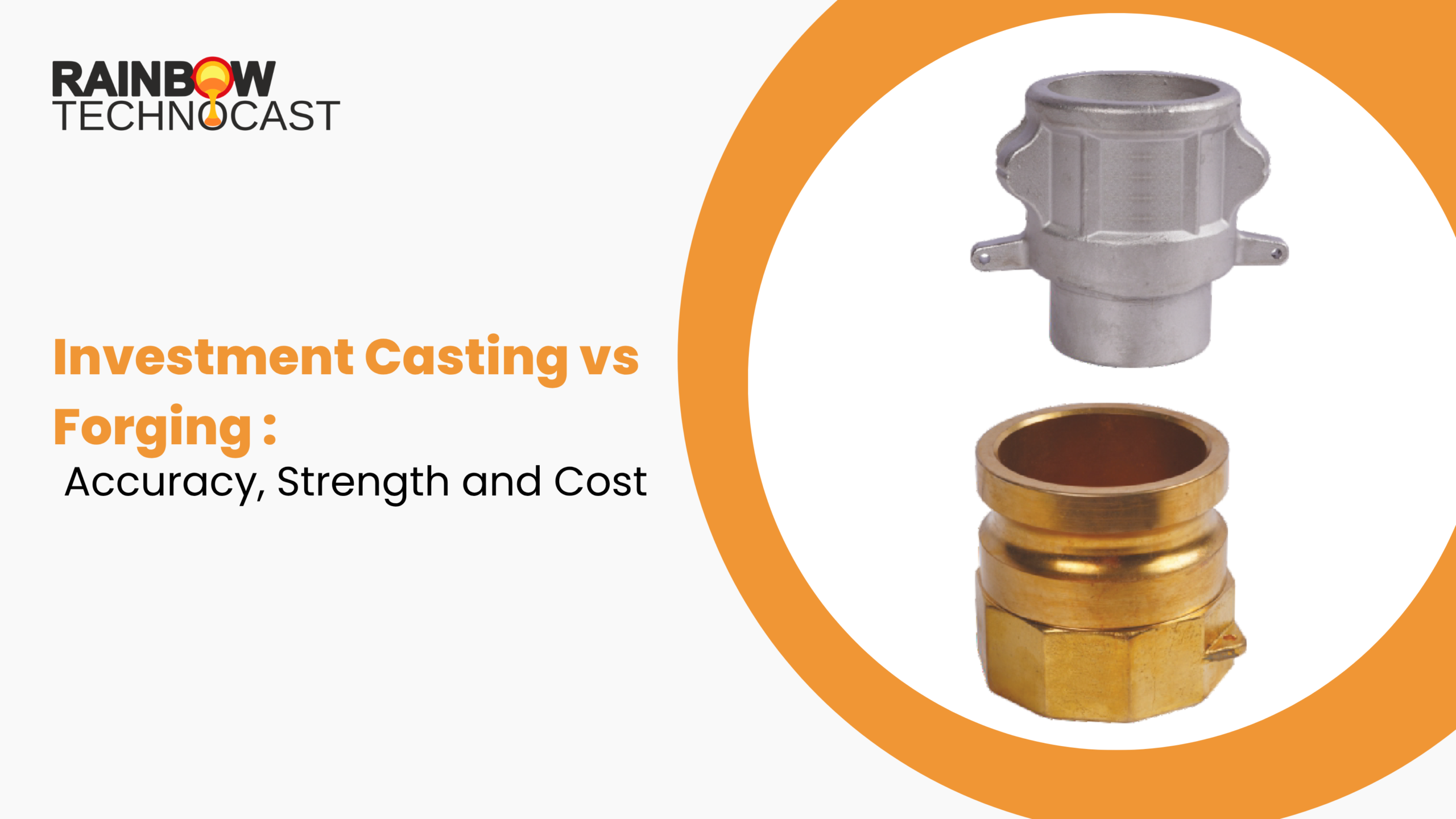
Investment Casting vs Forging: Accuracy, Strength and Cost
A component can meet its dimensional drawing and still be wrong for its operating load. It can also provide more strength than the application needs while carrying unnecessary machining and
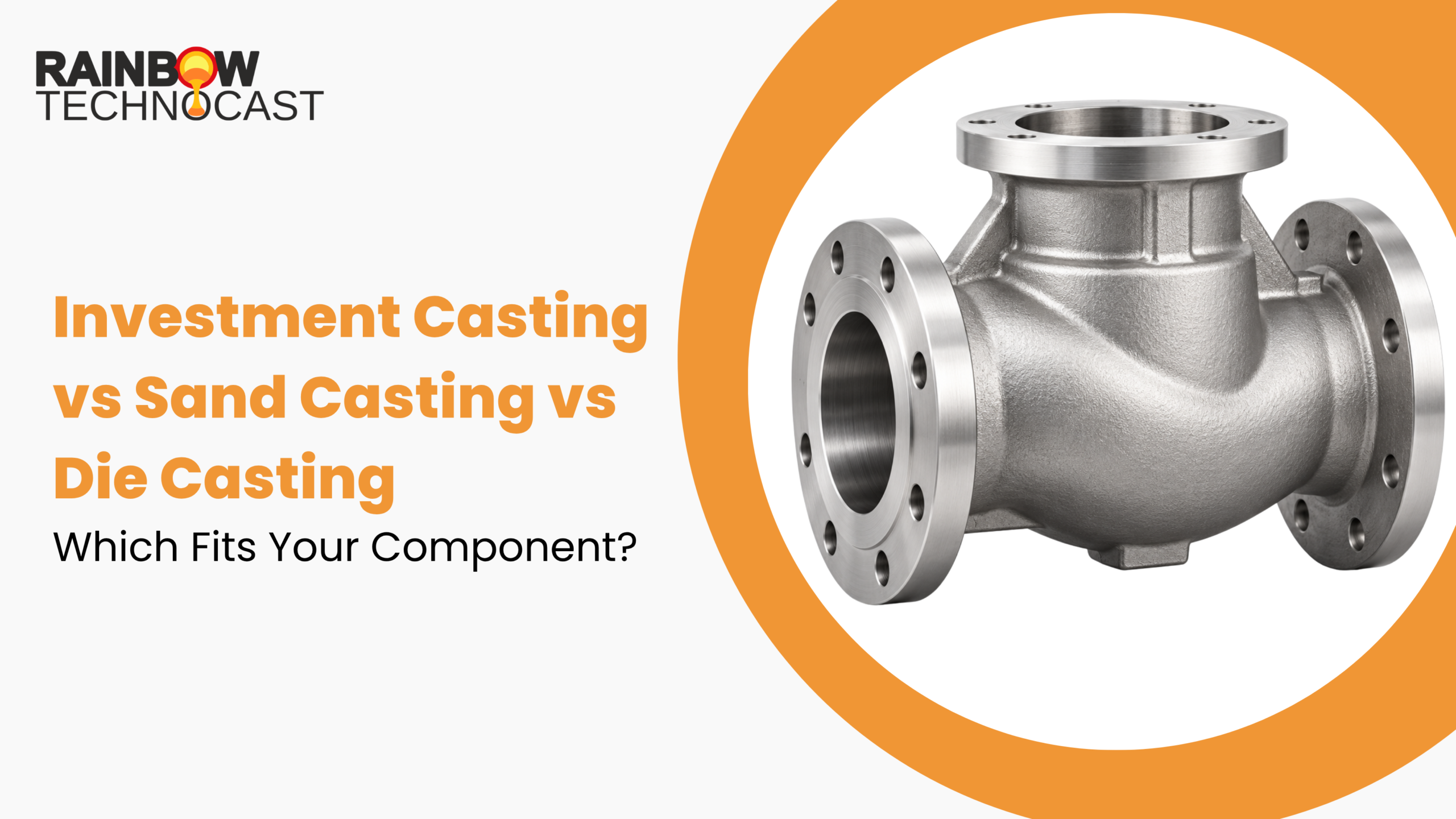
Investment Casting vs Sand Casting vs Die Casting: Which Fits Your Component?
A casting quote can look competitive until machining, inspection, and assembly costs are added. The process you choose affects which alloys you can use, how much detail you can cast,
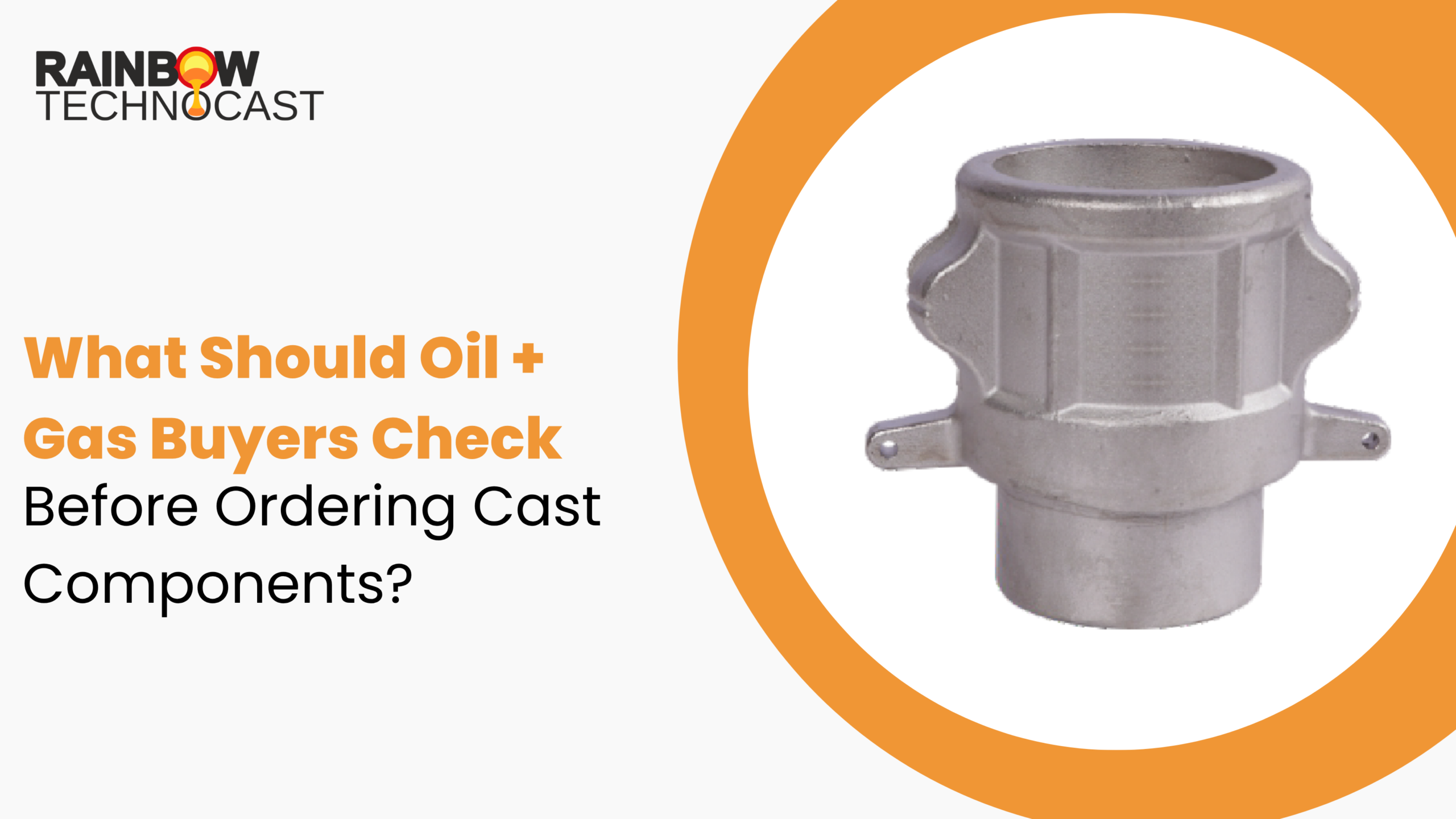
What Should Oil + Gas Buyers Check Before Ordering Cast Components?
Most casting disputes are decided before the purchase order is issued. An unstated design temperature, an inspection scope written as “as per standard”, a supplier who has never poured that
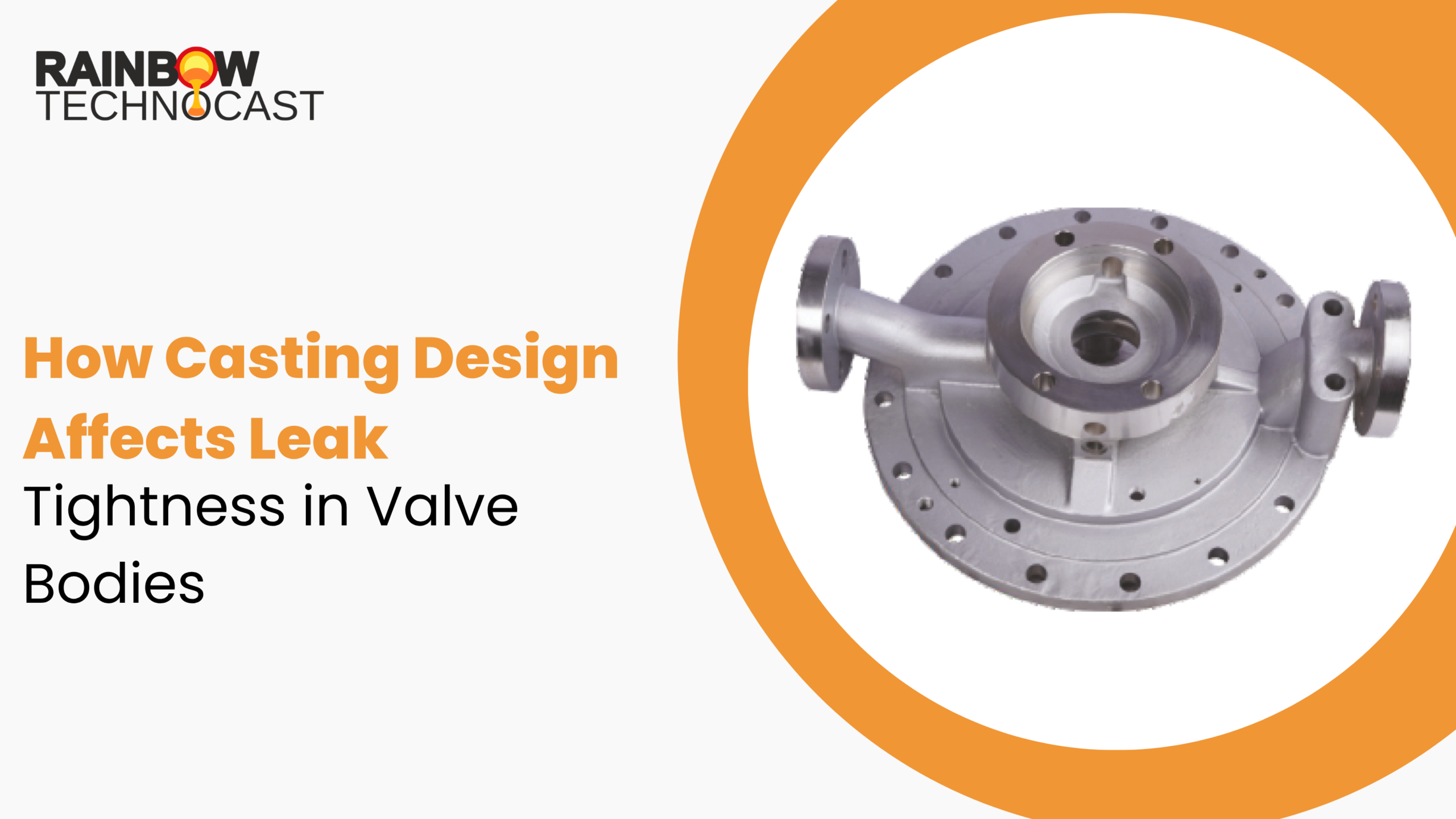
How Casting Design Affects Leak Tightness in Valve Bodies
Leak tightness gets treated as a test result. It is actually a design outcome. By the time a body reaches the hydrotest bench, whether it leaks was settled weeks earlier
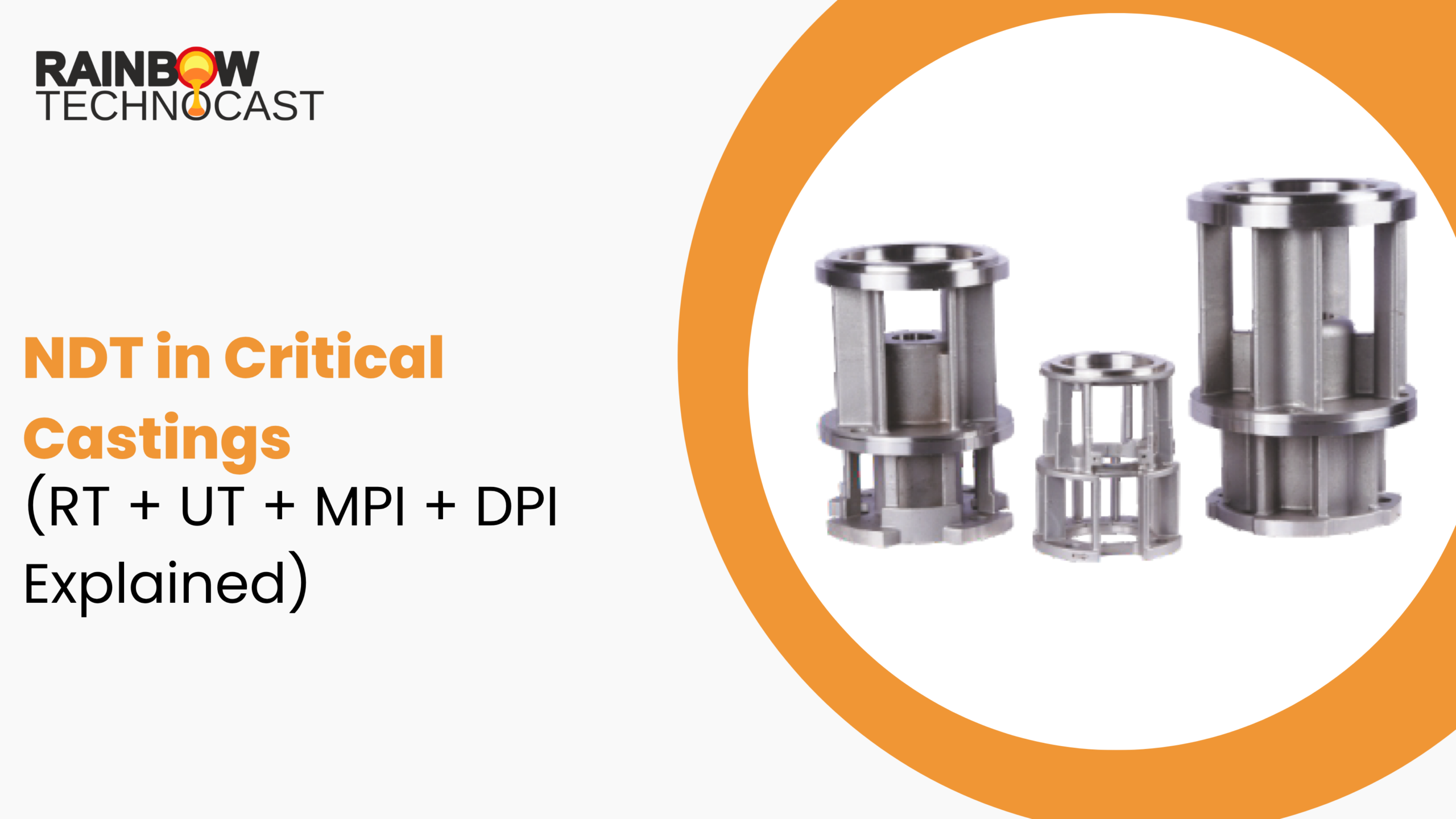
NDT in Critical Castings (RT + UT + MPI + DPI Explained)
Most NDT disputes come from one line in a purchase order: “NDT as per standard.” It names no method, no zone, no acceptance level and no qualification. The foundry inspects
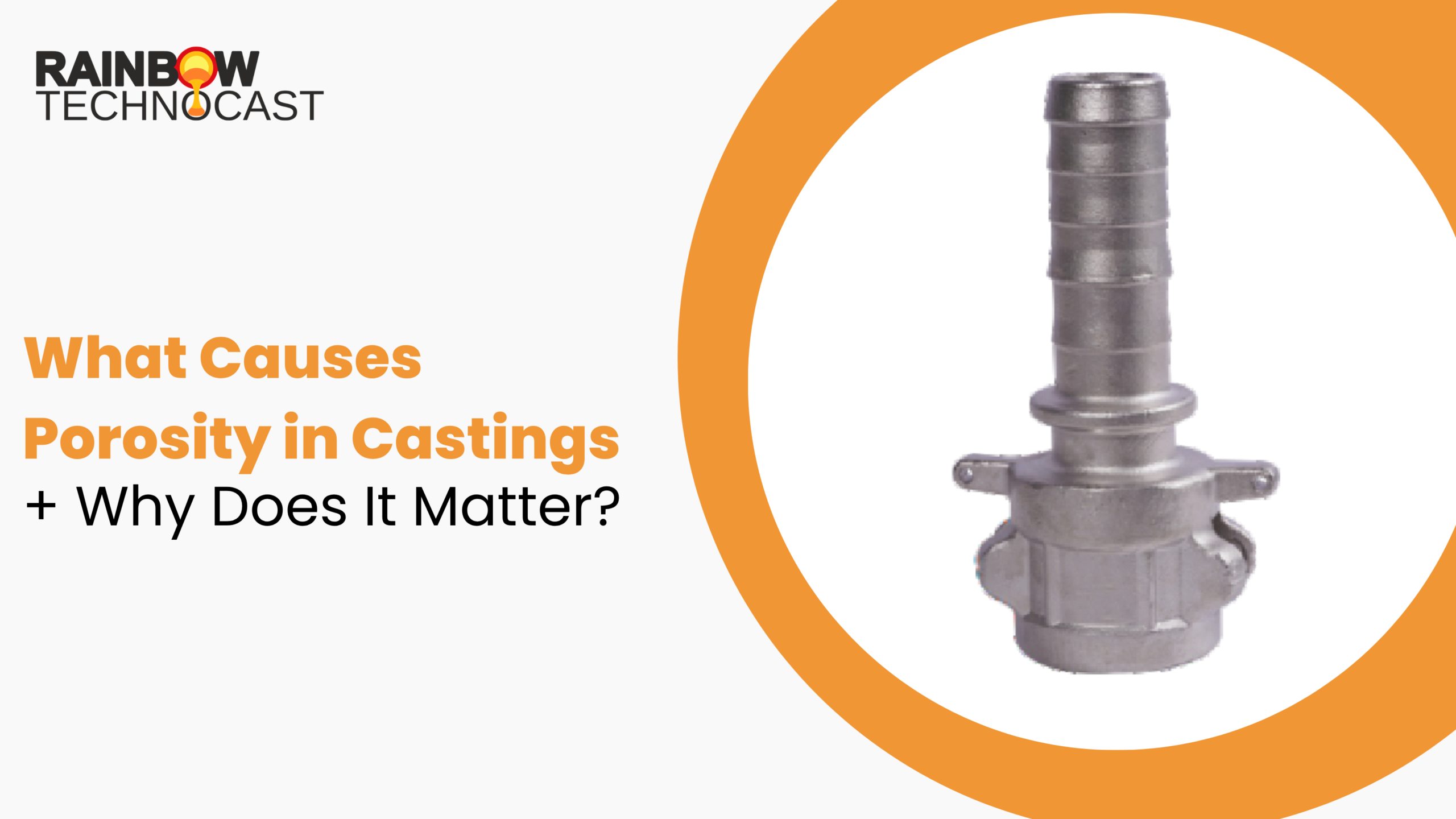
What Causes Porosity in Castings + Why Does It Matter?
Porosity is the defect that hides. A casting can pass every dimension, look flawless on the outside, and be full of voids exactly where the wall carries the most stress.
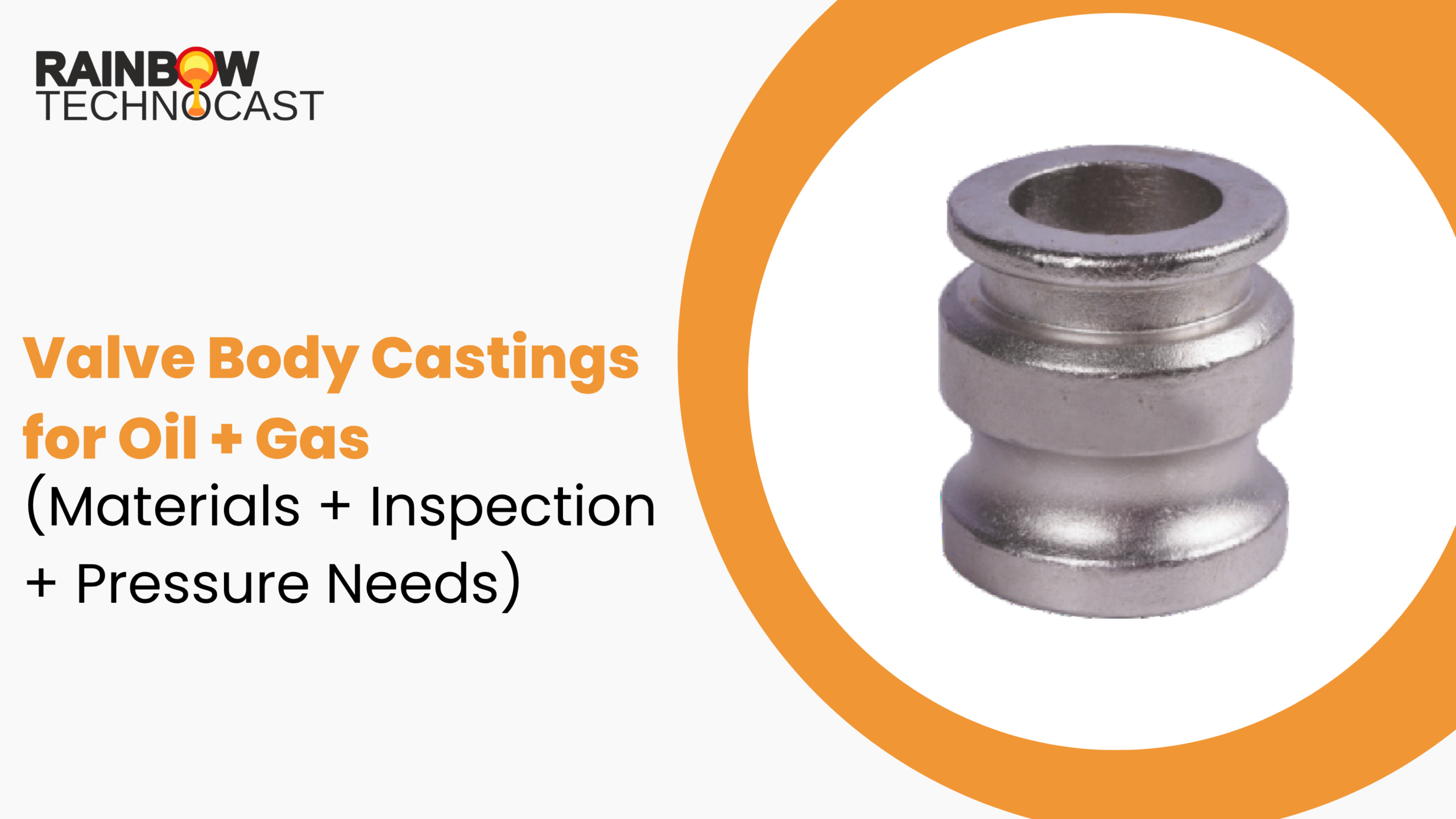
Valve Body Castings for Oil + Gas (Materials + Inspection + Pressure Needs)
A valve body is the only part of a valve that has no backup. Seats can be replaced, stems can be repacked, actuators can be swapped. If the body leaks,
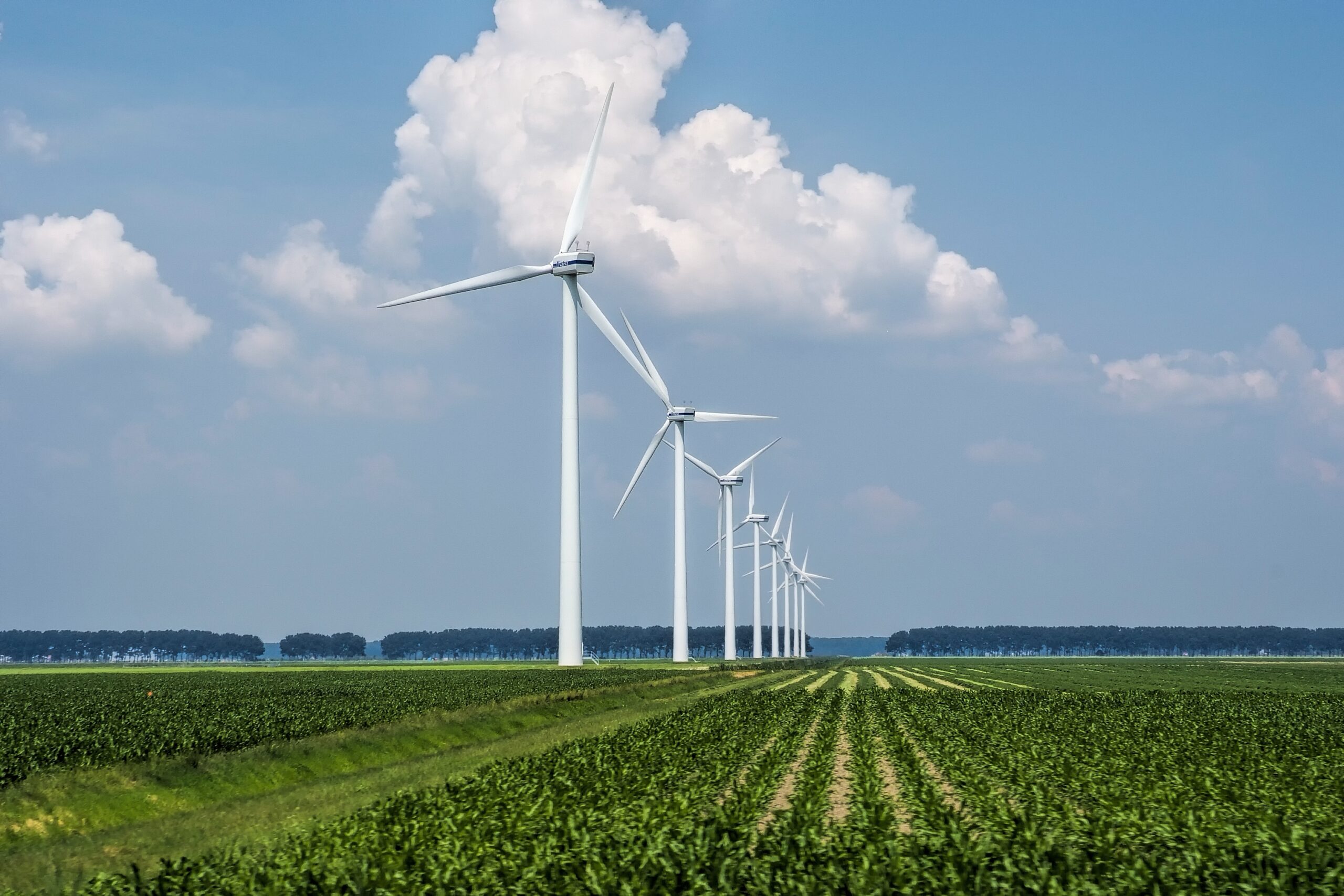
WindMill
We use windmills to help generate electricity for commercial use. Since our energy generation does not rely on fossil fuels, our electricity prices are insulated from the volatility of commodity pricing.This approach has allowed us to generate efficiencies of scale that further drive down system costs.
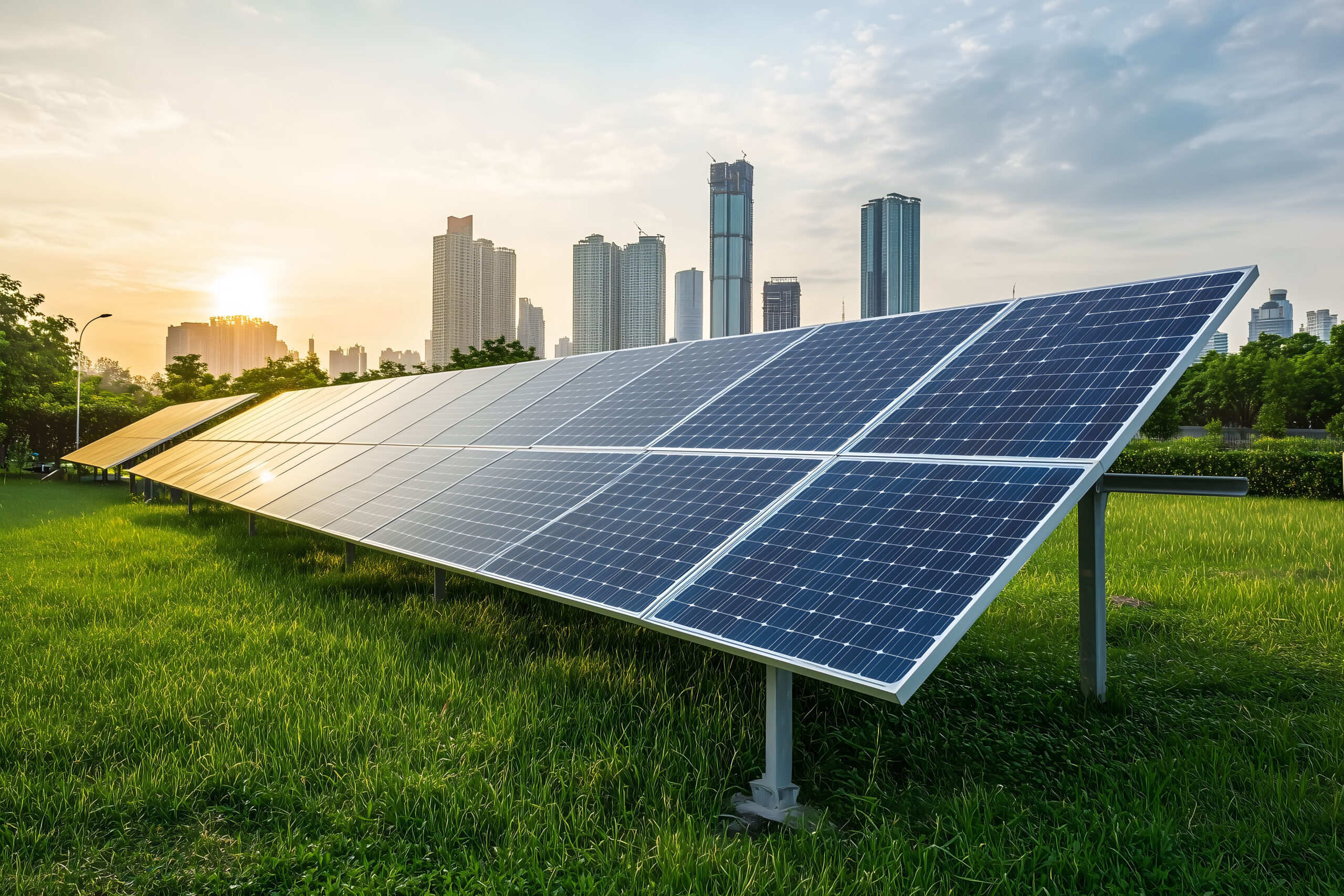
Solar Panels
As a responsible company, we can help protect the environment now and for future generations by producing our own solar energy. Solar energy helps decrease the amount of fossil fuels we utilize, thereby decreasing pollutants causing global warming.
