
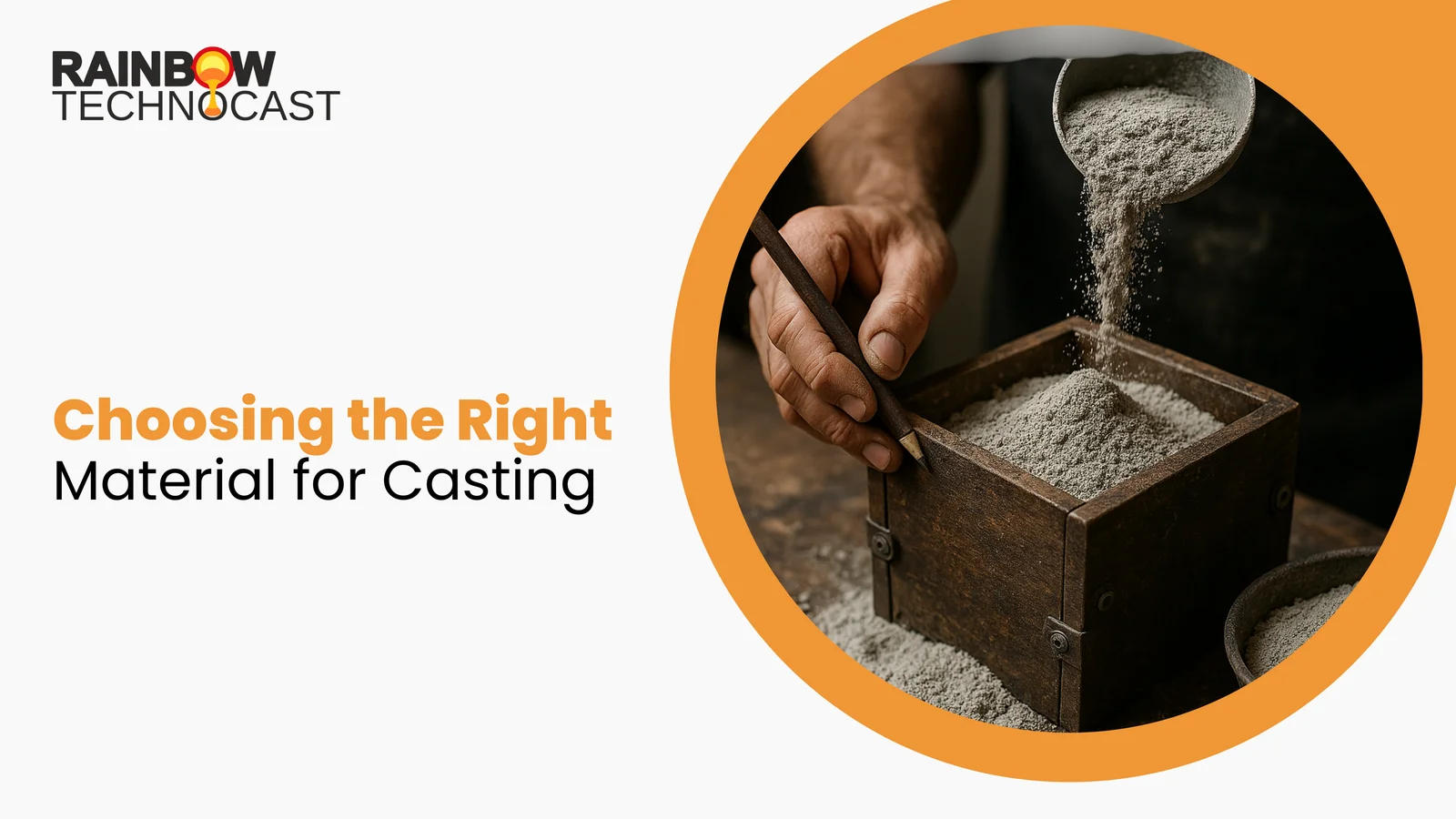
Selecting the appropriate material for casting is a critical decision in the manufacturing process that can significantly impact the quality, performance, and cost-effectiveness of the final product. This article aims to guide you through the complexities of material selection, providing insights into various casting materials, their properties, and their applications.
Understanding Casting Materials
Casting is a manufacturing process where molten material is poured into a mold to create a specific shape. The choice of material for casting depends on several factors, including mechanical properties, environmental conditions, and cost considerations. Common materials used in casting include:
- Aluminum: Known for its lightweight and high strength-to-weight ratio, aluminum is widely used in various industries, particularly automotive and aerospace.
- Zinc: This material offers excellent fluidity and corrosion resistance, making it suitable for intricate designs and high-volume production runs.
- Cast Iron: Valued for its good machinability and wear resistance, cast iron is commonly used in heavy machinery and automotive components.
- Copper: With its superior electrical conductivity and corrosion resistance, copper is often utilized in electrical applications.
- Steel: Known for its strength and versatility, steel is used in demanding applications such as construction equipment and heavy machinery.
Factors That Influences Material Selection
When choosing a casting material, several key factors must be considered:
Mechanical Properties
The mechanical properties of a material—such as strength, hardness, and toughness—are paramount. For instance, aluminum die casting produces parts that are lightweight yet strong, making it ideal for applications requiring both durability and weight savings. According to industry experts, aluminum die casting offers high precision and excellent surface finish while being cost-effective for large-scale production runs.
Environmental Considerations
The operating environment plays a crucial role in material selection. For example, components exposed to harsh conditions must possess good corrosion resistance. Zinc die casting is particularly advantageous in this regard due to its excellent durability and low melting point. Additionally, cast iron’s resistance to oxidation makes it suitable for high-temperature applications.
Cost Considerations
Cost is always a significant factor in manufacturing decisions. The initial tooling costs associated with processes like aluminum die casting can be high; however, the efficiency gained through reduced post-processing often justifies this investment. In contrast, while zinc die casting offers lower production costs due to its rapid cycle times, it may not always meet the specific mechanical requirements of certain applications.
Processing Performance
The ease with which a material can be processed also affects its suitability for casting. For example, cast iron’s fluidity when molten allows it to fill complex molds easily, making it an excellent choice for intricate shapes. On the other hand, aluminum’s high thermal conductivity enables quicker cooling of molten metal, which can enhance production efficiency.
Common Casting Processes and Their Material Requirements
Different casting processes have unique requirements that dictate the choice of materials:
Sand Casting
Sand casting is one of the most versatile methods used in manufacturing. It involves creating a mold from sand that can withstand high temperatures. The most common materials used in sand casting include aluminum and cast iron due to their favorable melting points and flow characteristics. The choice of sand type—green sand, dry sand, or resin sand—also affects the final product’s quality1. Green sand is often used because it provides good permeability but may require additives to enhance its properties.
Investment Casting
This process is known for producing highly precise parts with excellent surface finishes. Aluminum alloys are frequently chosen for investment casting because they offer high strength and good corrosion resistance while allowing intricate designs. However, the initial costs associated with creating molds can be substantial.
Die Casting
Die casting involves injecting molten metal into a mold under high pressure. This method is particularly effective for producing large quantities of parts with tight tolerances. Aluminum alloys are preferred due to their lightweight nature and ability to produce complex shapes efficiently. Zinc die casting also offers advantages such as lower melting points and excellent fluidity.
Material Comparisons
When evaluating materials for casting, it’s essential to consider their advantages and disadvantages:
| Material | Advantages | Disadvantages | Best Applications |
| Aluminum | Lightweight, strong; high precision; excellent surface finish; versatile | Limited material choices; high tooling costs | Automotive parts; aerospace components |
| Zinc | Low melting point; good fluidity; excellent corrosion resistance | Limited temperature resistance | Electrical components; consumer products |
| Cast Iron | Cost-effective; good wear resistance; easy to cast | Brittle under tensile stress | Machinery parts; automotive components |
| Copper | Excellent conductivity; corrosion-resistant | Higher cost; heavier than alternatives | Electrical applications |
| Steel | High strength; versatile | More complex processing | Construction equipment; heavy machinery |
Future Prospects: Expanding the Role of PPPs
Real-world examples illustrate the importance of selecting the right material for specific applications:
- Automotive Industry: In automotive manufacturing, aluminum die casting has become increasingly popular due to its lightweight properties that contribute to fuel efficiency. A case study revealed that using aluminum instead of steel reduced vehicle weight significantly while maintaining structural integrity.
- Electrical Components: Zinc die castings are commonly used in electrical connectors due to their excellent conductivity and corrosion resistance. The ability to produce complex geometries allows manufacturers to create intricate designs that enhance performance while minimizing assembly time.
- Heavy Machinery: Cast iron remains a staple in heavy machinery due to its durability and wear resistance. Its ability to withstand high compressive loads makes it ideal for engine blocks and other critical components where strength is essential.
Conclusion
In conclusion, choosing the right material for casting involves careful consideration of various factors including mechanical properties, environmental conditions, cost implications, and processing performance. By understanding these elements and evaluating different materials based on their advantages and disadvantages, suburban industry owners can make informed decisions that enhance product quality while optimizing manufacturing efficiency.
As you assess your current practices in material selection for casting processes, consider consulting with experts or conducting further research tailored to your specific industry needs. By doing so, you can not only improve your production outcomes but also ensure that your products meet the highest standards of quality and performance.