
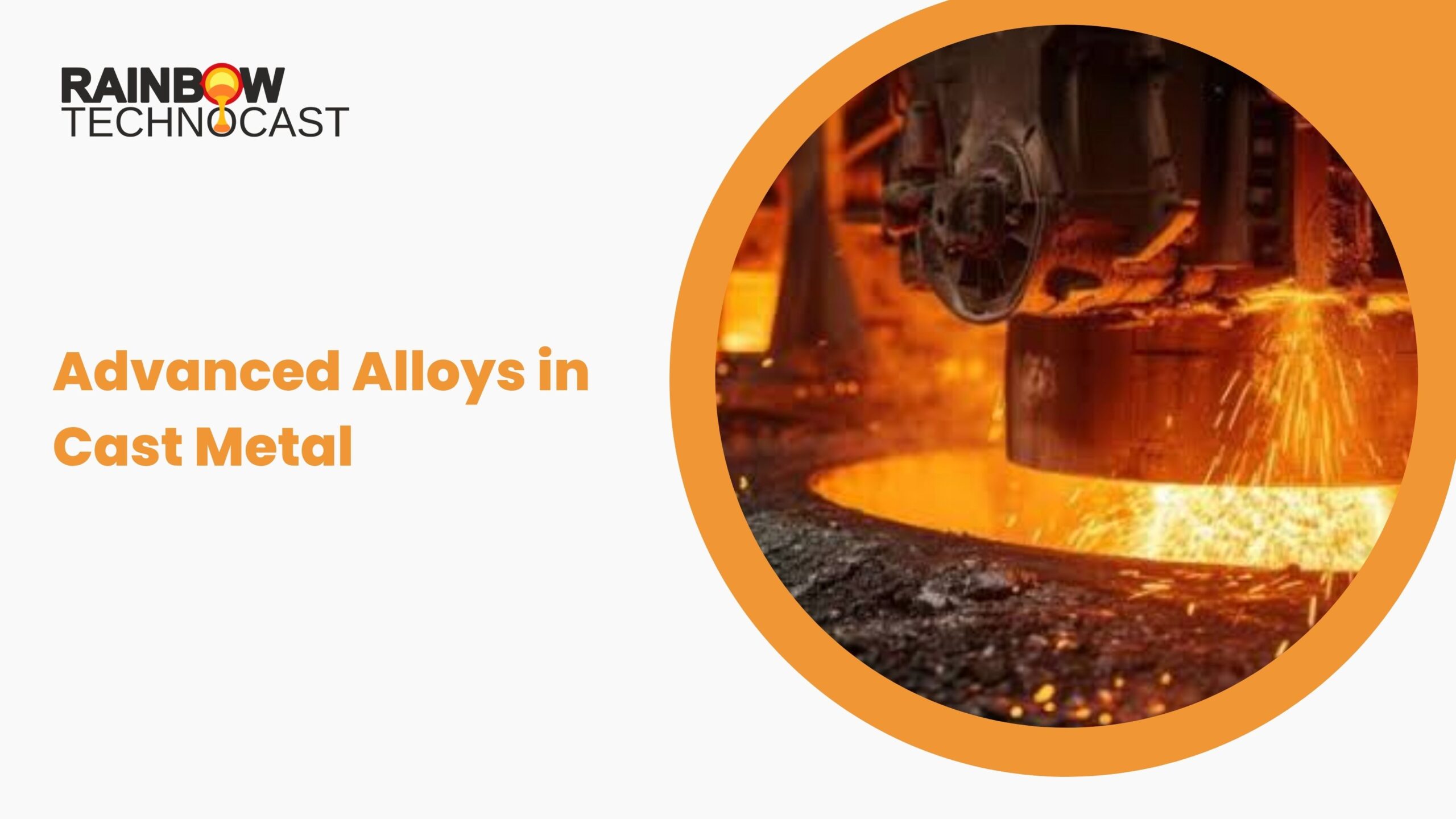
The world of alloys in cast metal is intriguing for the reason that it combines chemistry, engineering, and innovation. As we delve into this subject, we will explore the significance of advanced alloys, the processes involved in their casting, and the exciting innovations that are shaping their future.
This article is tailored to deepen your understanding of advanced alloys and their applications.
What is an Alloy?
An alloy is defined as a metallic substance composed of two or more elements, where at least one is a metal. The combination of different metals and non-metals results in materials with enhanced properties compared to pure metals. Historically, alloys have played a crucial role in human development, from the creation of bronze in ancient times to the sophisticated advanced alloys used today.
Types of Alloys
Alloys can be broadly categorized into ferrous and non-ferrous types. Ferrous alloys primarily contain iron and are known for their strength and durability. Common examples include carbon steel and stainless steel. Non-ferrous alloys, on the other hand, do not contain significant amounts of iron and include materials like aluminum, copper, and titanium. Each type has its unique properties and applications; for instance, aluminum alloys are prized for their lightweight nature and resistance to corrosion.
Casting Processes for Advanced Alloys
Overview of Casting Techniques
Casting is a manufacturing process where liquid metal is poured into a mold to solidify into a desired shape. There are several casting methods utilized for advanced alloys, including sand casting, die casting, and investment casting. Each method has its advantages depending on the specific requirements of the component being produced.
Die casting, particularly popular for aluminum alloys such as ADC12 and A380, offers superior surface finishes and mechanical properties. Die-casting alloys are marked with their superior properties and excellent surface finishes making them ideal for high-performance applications across various industries.
Challenges in Casting Advanced Alloys
Despite its advantages, casting advanced alloys presents several challenges. Issues such as hot cracking—where cracks form during solidification—can significantly affect the integrity of the final product. Additionally, achieving optimal fluidity during the casting process is critical to ensure that the molten metal fills the mold completely without defects.
The mechanical properties of cast alloys can also vary widely based on their composition and processing conditions. For example, aluminum alloys exhibit excellent elongation (up to 10% in 50mm) and tensile strength (up to 324 MPa), making them suitable for demanding applications1. However, these properties can be compromised if proper care is not taken during the casting process.
Innovations in Alloy Development
Nanotechnology in Alloy Casting
One of the most exciting advancements in alloy technology is the incorporation of nanotechnology into casting processes. By integrating nanoparticles into alloy formulations, manufacturers can significantly enhance mechanical properties such as strength and toughness. The integration of titanium nanoparticles effectively addressed the issue of hot cracking in AA7075 alloys showcasing how nanotechnology can mitigate common challenges faced in metal casting.
This innovative approach not only improves strength but also enhances surface quality. Samples with higher nanoparticle content exhibited a reduction in surface roughness by approximately 59%, resulting in smoother surfaces that are essential for aesthetic applications. Such advancements broaden the potential applications of cast metals and their alloys.
Sustainable Practices in Alloy Production
As industries increasingly focus on sustainability, there is a growing emphasis on environmentally friendly methods for alloy production. Advanced alloys are being developed with sustainability in mind, aiming to reduce waste and energy consumption during manufacturing processes.
Rainbow Technocast aligns with this trend by exploring sustainable practices that minimize environmental impact while maintaining high-quality production standards. The focus on sustainable alloy development not only addresses ecological concerns but also enhances economic viability by reducing resource consumption.
Applications of Advanced Cast Alloys
Industries Utilizing Advanced Alloys
Advanced cast alloys find applications across various industries due to their superior mechanical properties and versatility. In aerospace engineering, for example, lightweight yet strong materials are crucial for improving fuel efficiency and performance. Aluminum alloys are particularly favored in this sector due to their excellent strength-to-weight ratio.
In the automotive industry, advanced alloys contribute to producing lightweight components that enhance vehicle efficiency without compromising safety or durability. The demand for high-performance materials continues to grow as manufacturers strive to meet stringent regulatory standards while delivering innovative products.
Case Studies of Successful Applications
Several case studies illustrate the successful application of advanced cast alloys in critical components. For instance, aluminum-silicon-copper alloy AlSi9Cu is renowned for its exceptional pressure tightness and fluidity, making it ideal for complex automotive parts. Similarly, research on Al-Ce binary alloys has shown promising results in terms of casting characteristics and mechanical performance under elevated temperatures.
These examples underscore the importance of selecting the right alloy composition based on specific application requirements. The ability to tailor materials for particular uses exemplifies the sophistication involved in modern alloy development.
Conclusion
Advanced alloys are totally essential in today’s manufacturing world. They’re used in everything! Knowing how they’re made, the different casting techniques, how nanotechnology is changing the game, and their real-world uses is super helpful for anyone into metallurgy.
As we continue to explore this dynamic field, enthusiasts are encouraged to engage with ongoing developments in alloy technology. To stay informed about advancements get involved in the upcoming events from Rainbow Technocast, and contribute to shaping the future of advanced materials.