
Introduction
Your fluid system faces a silent threat every day. When flow reverses direction, it carries contamination, destroys equipment, and creates safety hazards that cost you time and money. According to EPA data, 459 documented backflow incidents resulted in over 12,000 illnesses. These aren’t just statistics—they represent failed systems and expensive repairs.
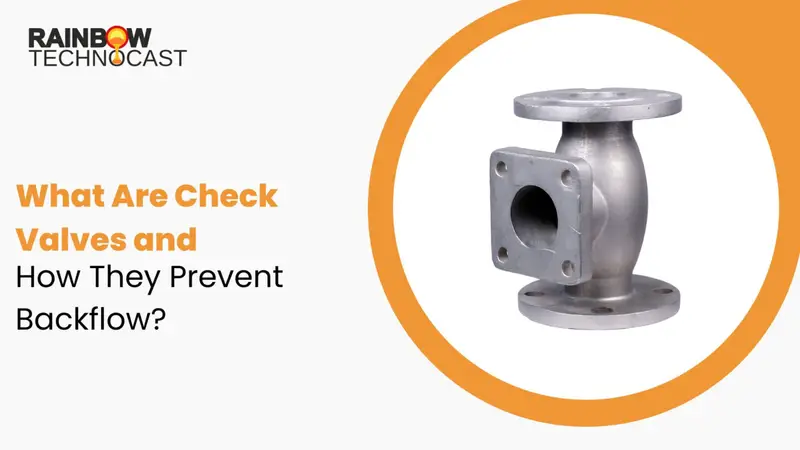
Check valves solve this problem by allowing fluid to flow in only one direction. They act as automatic gatekeepers in your pipeline, opening when pressure moves forward and closing when it tries to reverse. This simple mechanism protects pumps, prevents cross-contamination, and eliminates water hammer damage that can knock equipment off its moorings.
This guide explains how check valves work, why they fail, and how to choose the right one for your application. You’ll learn the technical fundamentals, common failure patterns, and selection criteria that determine whether your system runs smoothly or breaks down unexpectedly.
How Check Valves Work
Check valves operate on a pressure differential principle. When forward flow pushes against the valve disc or ball, it opens and allows fluid to pass through. The moment flow stops or reverses, the disc snaps shut—either by gravity, spring force, or back pressure.
This happens automatically without external power or human intervention. The valve responds instantly to changes in flow direction, creating a one-way passage for your fluid.
Most check valves require a minimum “cracking pressure” to open. This threshold prevents nuisance opening from minor pressure fluctuations while ensuring the valve responds when actual flow begins.
Common Check Valve Types
Swing Check Valves
A hinged disc swings open during forward flow and closes when flow reverses. These work well in horizontal pipelines with steady flow rates and minimal pressure surges.
Lift Check Valves
The disc lifts vertically off its seat when pressure rises. These must be installed vertically and are ideal for high-pressure applications where tight shutoff is critical.
Ball Check Valves
A ball rolls away from the seat during flow and returns to block reverse flow. Simple design makes these reliable for dirty fluids and slurries.
Spring-Loaded Check Valves
A spring assists closure, making these valves respond faster than gravity-operated types. They prevent water hammer and work in any orientation, including horizontal and vertical positions.
Why Check Valves Fail?
Here’s an uncomfortable truth: industry data shows significant check valve failures occur at a frequency between once every 10 to 100 years in critical systems. Nuclear industry studies documented approximately 4,000 check valve failures between 1984 and 1991 alone.
The primary culprit? Poor maintenance practices account for 50% of all check valve failures. Foreign material ingestion ranks as the most common failure mode. Dirt, scale, and debris lodge between the disc and seat, preventing proper closure.
Other failure causes include worn seats, corroded internals, and improper sizing. Oversized valves create chattering and premature wear. Undersized valves restrict flow and increase pressure drop.
The Hidden Cost of Backflow
Backflow doesn’t just reverse your process—it introduces contamination that can shut down operations. Chemical plants have back-siphoned sodium hydroxide into municipal water supplies, causing burns and emergency hospital visits. Car wash facilities have pumped recycled rinse water containing chemicals back into drinking water systems.
Water hammer damage multiplies these costs. The pressure surge can rupture pipes, crack fittings, damage water heaters, and destroy expensive pumps and compressors. Equipment replacement, process downtime, and regulatory penalties add up quickly.
Choosing the Right Check Valve
Match Valve Type to Application
Consider your flow pattern, pressure range, and installation orientation. Vertical pipes need lift-style or spring-assisted valves. Horizontal runs work with swing types if your flow is steady.
Select Proper Materials
Chemical compatibility matters. Corrosive fluids require stainless steel or specialized alloys. Water systems can use bronze or cast iron. Temperature extremes demand materials that won’t degrade or lose sealing capability.
Size for Your System
Use actual flow rates, not just pipe size, to select valve dimensions. Check the cracking pressure specification—it must be low enough to open at your minimum operating pressure but high enough to stay closed during shutdown.
Prioritize Quality Construction
Valve seats must seal completely without leaking. Spring mechanisms need consistent tension across their service life. Fasteners should resist loosening from vibration.
Maintenance and Inspection
Inspect check valves during scheduled maintenance shutdowns. Look for wear patterns on the disc and seat. Test closure by observing back leakage during system depressurization.
Clean internal components if you find debris or scale buildup. Replace worn seats before they start leaking. Document inspection findings to track degradation patterns over time.
Consider upgrading to spring-assisted designs if your gravity-operated valves show repeated failure. The faster closure prevents backflow damage and extends service life.
Conclusion
Check valves protect your investment by preventing backflow, equipment damage, and contamination incidents. The right valve selection—based on your specific application requirements—determines whether you face frequent failures or decades of reliable operation.
Don’t wait for a backflow incident to expose weaknesses in your system. Evaluate your current check valves against the selection criteria outlined here.
Contact us today to discuss your backflow prevention needs and get expert recommendations for your specific application.
Rainbow Technocast manufactures precision-engineered check valves designed for demanding industrial applications. Our valves deliver reliable backflow prevention across water systems, chemical processing, and manufacturing environments. We provide technical support to help you select the right valve configuration, materials, and specifications for your exact operating conditions. Visit www.rainbowtechnocast.com or reach out to our engineering team to protect your system from backflow damage.