
Introduction
A tolerance error of just half a millimeter may seem insignificant—until it affects a turbine blade operating at 1,200°C or a valve seat required to seal under extremely high pressure. In critical engineering applications, even the smallest dimensional variation can determine whether a component performs reliably for years or fails prematurely.
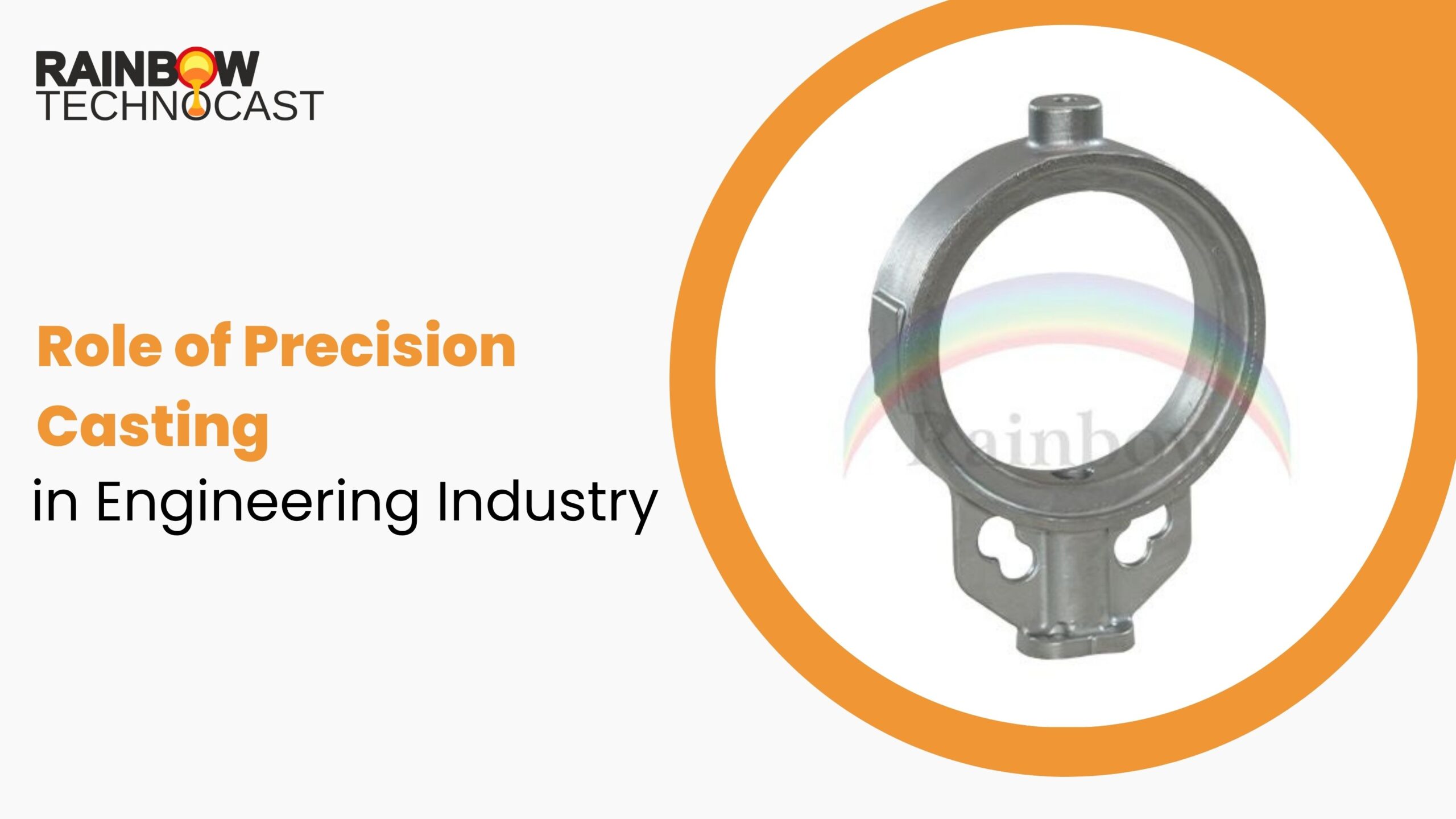
Precision casting addresses this challenge by producing complex, near-net-shape metal components with excellent dimensional accuracy and minimal machining requirements. Modern investment casting processes achieve consistent tolerances that allow manufacturers to reduce secondary operations while maintaining high-quality standards.
This guide explains what precision casting is, the major casting methods, the industries that rely on it, and how careful design and manufacturing improve component performance.
What Precision Casting Means
Precision casting refers to manufacturing processes that produce highly accurate metal components with excellent surface finish and consistent dimensional repeatability.
Unlike conventional casting methods, precision casting minimizes machining requirements by producing parts that closely match the final design dimensions.
The greatest advantage is not only tight tolerances but also the ability to manufacture thousands of identical components with consistent quality.
Precision Casting Methods
Investment Casting (Lost Wax)
Investment casting uses a wax pattern coated with ceramic material. After the wax is removed, molten metal fills the cavity to produce highly accurate components with excellent surface finish.
Typical applications include:
- Turbine components
- Valve parts
- Medical instruments
- Complex industrial components
Vacuum Casting
Vacuum casting removes trapped gases during pouring, reducing porosity and improving the structural integrity of components used in demanding applications.
Shell Molding
Shell molding produces high-quality surface finishes while supporting medium- to high-volume production with excellent dimensional consistency.
Centrifugal Casting
In centrifugal casting, the mold rotates during pouring, producing dense cylindrical components such as bushings, sleeves, pipe fittings, and valve bodies.
Directional Solidification
This specialized process controls the direction of metal solidification to create optimized grain structures for components operating under extreme temperatures and mechanical loads.
Why Tolerance Matters
Small dimensional differences have a significant impact on manufacturing costs and component performance.
Precision casting offers several advantages:
- Reduced CNC machining time
- Lower material waste
- Better assembly fit
- Fewer rejected components
- Improved production consistency
Properly selected casting tolerances eliminate unnecessary machining while ensuring components meet functional requirements.
Materials Used in Precision Casting
Material selection depends on the operating environment and application requirements.
Common materials include:
- Stainless Steel – Excellent corrosion resistance for chemical, food processing, and medical industries.
- Carbon Steel – Suitable for general industrial, oil, gas, and power applications.
- Duplex and Super Duplex Stainless Steel – Ideal for aggressive corrosive environments and offshore applications.
- Nickel and Cobalt Alloys – Used in high-temperature and chemically aggressive environments.
- Copper Alloys – Suitable for marine equipment, hydraulic components, and valve trim.
Industries That Depend on Precision Casting
Aerospace and Defense
Aircraft and defense components require exceptional dimensional accuracy, strength, and fatigue resistance.
Medical Devices
Precision casting produces surgical instruments and medical equipment requiring corrosion resistance and consistent quality.
Oil, Gas, and Power Generation
Valve bodies, pump components, and turbine parts must withstand high temperatures, pressure, and demanding operating environments.
Automotive and Industrial Machinery
Precision cast components reduce weight, improve strength, and simplify manufacturing for modern industrial equipment.
The Precision Casting Process
The manufacturing process generally follows these stages:
- Pattern creation
- Shell building or mold preparation
- Pattern removal
- Metal melting and pouring
- Controlled cooling
- Casting removal and gate trimming
- Heat treatment
- Inspection and quality verification
Each stage contributes to the dimensional accuracy and mechanical performance of the finished component.
Design Collaboration Improves Results
Involving casting specialists during the design stage provides several advantages:
- Better material selection
- Optimized wall thickness
- Reduced shrinkage defects
- Simplified manufacturing
- Lower machining requirements
- Reduced production costs
Early collaboration often prevents expensive tooling modifications and production delays.
Quality Control That Matters
Reliable precision casting depends on comprehensive quality inspection.
A complete quality system typically includes:
- Spectrometer chemical analysis
- Mechanical property testing
- Non-destructive testing (UT and PT)
- Dimensional inspection
- Material Test Reports (MTR)
- Complete heat traceability
These inspections ensure every casting meets customer specifications before delivery.
FAQs
How much more accurate is precision casting than conventional casting?
Precision casting provides significantly tighter dimensional control, reducing machining requirements and improving assembly consistency compared to conventional casting methods.
Is precision casting suitable for low-volume production?
Yes. Components with complex geometry often justify precision casting even in smaller production quantities because machining and assembly costs are substantially reduced.
What is the most common design mistake?
Over-specifying dimensional tolerances on non-critical features increases manufacturing cost without improving product performance. Functional tolerances should always be reviewed during the design stage.
Can precision casting completely replace CNC machining?
No. Precision casting greatly reduces machining requirements by producing near-net-shape components, but critical features such as threaded holes, sealing faces, and precision bores generally require final machining.
Conclusion
Precision casting has become an essential manufacturing process for engineering industries that require dimensional accuracy, repeatability, excellent surface finish, and reliable mechanical performance.
Selecting the appropriate casting process, material, and quality control methods allows manufacturers to reduce machining, improve productivity, and increase component reliability throughout the product lifecycle.
Rainbow Technocast manufactures precision investment cast components in carbon steel, stainless steel, duplex stainless steel, and specialty alloys using advanced casting processes supported by in-house CNC machining, spectrometer testing, non-destructive inspection, and complete material traceability. Our engineering team works closely with customers to deliver castings that meet demanding industrial standards while optimizing manufacturability and long-term performance.