
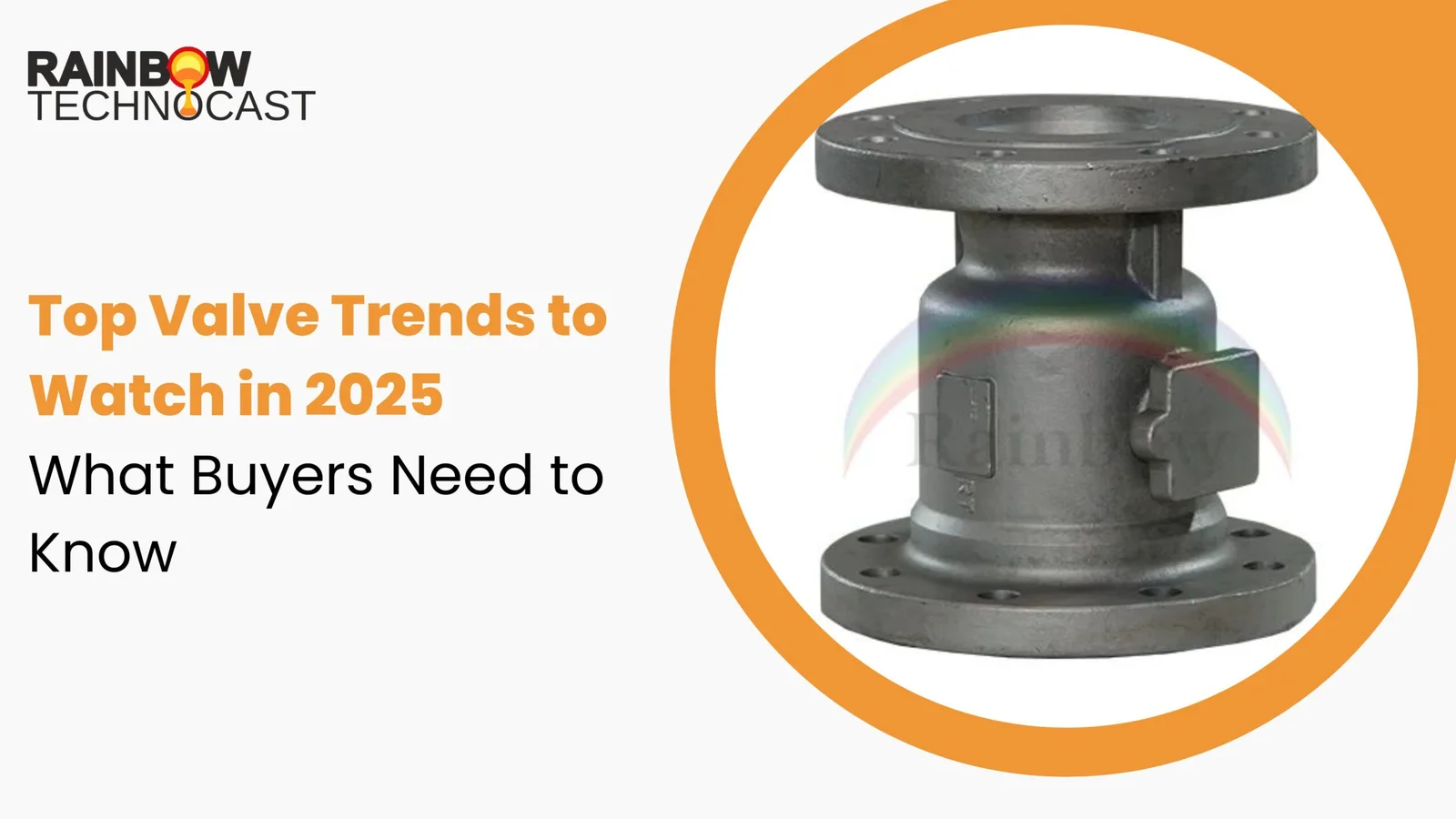
Imagine a world where the flow of everything from water to oil, from gas to chemicals, is managed by invisible guardians—industrial valves. In 2025, these guardians are not just mechanical devices; they are becoming the nervous system of modern industry, evolving at a pace that would have astounded engineers even a decade ago. The global industrial valve market is set to reach a staggering $84.97 billion in 2025, climbing steadily to $128.22 billion by 2035, driven by a compound annual growth rate of 4.2%. That’s not just growth—it’s a transformation.
But what’s behind this surge? It’s not just about bigger numbers. The valve industry is responding to a perfect storm of global trends: stricter environmental regulations, the push for automation, the rise of smart manufacturing, and the urgent need to replace aging infrastructure in developed economies. Industries like oil and gas, power generation, water and wastewater treatment, and chemical processing are all fueling this demand, making valves more critical—and more advanced—than ever before.
The Rise of Smart and Connected Valves: Industry 4.0 in Action
If you think valves are just about turning things on and off, think again. In 2025, valves are stepping into the digital age, becoming key players in the Fourth Industrial Revolution—Industry 4.0. The Internet of Things (IoT) is connecting hundreds of millions of sensors to industrial equipment, and valves are no exception. These smart valves can monitor pressure, temperature, flow, and even vibration in real time, feeding data back to centralized control systems for instant analysis and action.
“As we are, as some believe, in the early stage of Industry 4.0, we should be seeing evidence of this already. In truth, some of the technology has been around for a while in some capacity. As we discussed in our post on valves and fittings in the nuclear industry, there are sensors that detect the status of valves in nuclear power plants, such as that for a pilot-operated relief valve. In the events of the Three Mile Island Accident, this type of valve was detected as closed, leading to the catastrophe.” This is a powerful reminder of how critical valve monitoring has always been—and how much more sophisticated it’s getting.
The integration of artificial intelligence (AI) and the Industrial Internet of Things (IIoT) is leading to self-optimizing, self-healing valve systems that can detect anomalies and adjust parameters automatically. These systems don’t just reduce downtime—they predict it, allowing maintenance teams to intervene before problems escalate. “AI integration will lead to self-optimizing and self-healing valve systems that can automatically adjust parameters, detect anomalies, and take corrective actions with minimal human intervention. Smart valve positioners enabled by edge AI computing will make real-time adjustments to ensure precise valve positioning. AI-powered industrial valve automation will enhance process reliability, reduce unplanned downtime, and boost operational efficiency.”
But here’s a zinger: in many industries, the difference between profit and loss can hinge on the reliability of a single valve. That’s why the shift to smart, connected valves isn’t just a trend—it’s a survival strategy.
Sustainability and Eco-Friendly Innovations in Valve Manufacturing
The world is waking up to the urgent need for sustainability, and the valve industry is answering the call. In 2025, eco-friendly materials and designs are no longer optional—they’re expected. Manufacturers are focusing on recyclable materials, energy-efficient designs, and processes that minimize environmental impact.
“In 2025, valve manufacturers are focusing on eco-friendly materials and designs that minimize environmental impact. Recyclable materials and energy-efficient designs are setting new standards for the industry.” This isn’t just about meeting regulations—it’s about building a reputation and securing a competitive edge in a market where buyers increasingly demand green solutions.
The push for sustainability is also driving innovation in fugitive emissions control. “A notable example in the refining sector is the implementation of Certified Low Leak Technology, initially driven by environmental regulations and eventually adopted by industry standards, which has drastically improved fugitive emission performance.” These advancements are making valves not just more efficient, but also safer for the environment and for workers.
What’s more, the global decarbonization agenda is reshaping purchasing decisions. In developed markets like North America and Europe, there’s a strong emphasis on replacing aging infrastructure with high-performance, durable valve solutions that support cleaner energy and lower emissions. For starter entrepreneurs, this means that investing in sustainable valve technology isn’t just good for the planet—it’s good for business.
Advanced Materials and Precision Casting: Meeting Modern Demands
The materials that make up a valve can mean the difference between reliable performance and costly failure. In 2025, the valve industry is embracing advanced materials like shape memory alloys and magnetorheological elastomers, as well as cutting-edge manufacturing techniques like additive manufacturing (3D printing).
“The future of valve technology lies in the continued exploration and integration of smart materials and advanced manufacturing techniques. Research and development in these areas are likely to yield even more innovative and efficient valve solutions. Ongoing advancements in material science could lead to the discovery of new smart materials with enhanced properties, further expanding their applications in the valve industry.” These materials offer high actuation force, precision, tunable stiffness, and enhanced durability, making them ideal for demanding industrial environments.
Precision casting is also revolutionizing the way valves are made. “Machining industrial valves can get very expensive, especially when you start factoring in surface finishing and thermal treating. Precision Castings of Tennessee eliminates these hurdles by providing highly accurate, net-shape instrument valve castings without the use of machining.” This approach allows for complex internal geometries and custom alloys, reducing costs and improving performance.
For buyers, this means more options, better quality, and greater flexibility. Whether you need a valve for water treatment, oil and gas, or the military, advanced materials and precision casting are making it possible to meet even the most challenging requirements.
Market Drivers and Industry-Specific Trends Shaping Valve Demand
The demand for industrial valves is being shaped by a complex mix of global and industry-specific factors. Rapid industrialization and infrastructure development are driving growth across the board, with new construction and facility upgrades fueling demand for valves in sectors like oil and gas, power generation, and water treatment.
“One of the primary factors driving the growth of the industrial valves market is the global trend of rapid industrialization and substantial infrastructure development. As countries invest in expanding their manufacturing sectors, constructing new infrastructure, and upgrading existing facilities, the demand for industrial valves to control and regulate fluid and gas flow in various applications, such as power generation, water treatment, and oil and gas, has significantly increased.” This surge is not limited to developed countries—emerging markets are also playing a major role.
In the oil and gas sector, for example, the market for industrial valves is set to grow by $2.56 billion from 2025 to 2029, driven by the need for more efficient, reliable, and automated valve solutions. “The Oil and Gas industry relies heavily on industrial valves for various applications in exploration, refining, and transportation. Key valve types include Gate, Globe, Control, Valve automation solutions, and Smart valves.” Automated valve operations are enhancing efficiency and safety, while new technologies are helping to prevent accidents and spills.
But here’s a counterintuitive truth: as the market grows, so does the risk of counterfeit and fraudulent valves. Buyers need to be vigilant, ensuring they work with reputable manufacturers and suppliers who can guarantee quality and reliability.
Skimmable Section: Key Market Drivers and Trends
- Rapid Industrialization: Expanding manufacturing and infrastructure projects are driving demand for valves worldwide.
- Sustainability: Stricter regulations and a focus on reducing emissions are pushing the adoption of eco-friendly valve solutions.
- Automation and Smart Technology: The integration of IIoT, AI, and wireless systems is transforming valve performance and maintenance.
- Advanced Materials: New materials and manufacturing techniques are enabling more durable, efficient, and customizable valves.
- Industry-Specific Needs: Sectors like oil and gas, power generation, and water treatment have unique requirements that are shaping valve design and innovation.
The Importance of Durability, Precision, and Customization in Valve Selection
Choosing the right valve is about more than just function—it’s about durability, precision, and customization. In 2025, buyers are looking for valves that can withstand harsh conditions, deliver consistent performance, and be tailored to their specific needs.
Customization is becoming a game-changer. “Every brewery and winery has unique needs, and in 2025, customization will be key. Valve manufacturers are offering more options for tailor-made solutions that fit specific production requirements. From size and material to specialized functions, customizable valves are becoming a game-changer.” This trend is spreading across industries, with manufacturers offering bespoke solutions for everything from food and beverage to heavy industry.
Precision and durability are equally important. Advanced materials and precision casting techniques are making it possible to produce valves that are not only more reliable but also easier to maintain and longer-lasting. For starter entrepreneurs, this means lower total cost of ownership and fewer headaches down the line.
Strategic Considerations for Buyers: Future-Proofing Valve Investments
For buyers, the stakes are high. The right valve can mean the difference between smooth operations and costly downtime. In 2025, future-proofing your valve investments means thinking beyond the immediate need and considering long-term trends and technologies.
Wireless systems are a prime example. “Installing miles of wired communications infrastructure has traditionally been a significant cost and complexity for industrial valve automation projects. In the coming years, reliable and secure wireless technologies like WirelessHART, ISA100, and 5G will see increased adoption for connecting automated valve assemblies to control systems. Wireless valve automation will slash installation costs and enable flexible retrofitting of existing facilities.” This shift is making it easier and more affordable to upgrade older systems and integrate new technologies.
Another key consideration is the move toward all-electric actuators. “Pneumatic valve actuators powered by compressed air have long been the industry standard. However, their inherent limitations, such as air leaks, freeze-ups, and maintenance requirements, will drive more industrial plants to adopt all-electric actuators over the next five years. Modern electric actuators offer high reliability, precision, efficiency, and easier integration with digital valve controllers.”
For buyers, this means looking for suppliers who offer not just quality products, but also expertise in integration, maintenance, and future upgrades. The goal is to build a valve system that can adapt to changing needs and technologies, ensuring long-term value and performance.
Conclusion: Partnering for Success—How Rainbow Technocast Leads the Way
In a world where industrial valves are becoming smarter, more sustainable, and more customizable, choosing the right partner is more important than ever. Rainbow Technocast stands at the forefront of this transformation, offering innovative solutions that combine advanced materials, precision casting, and smart technology.
By partnering with a leader like Rainbow Technocast, buyers can tap into the latest trends and technologies, ensuring their operations are efficient, reliable, and future-ready. Whether you’re a starter entrepreneur or an established industrial player, the future of valves is here—and it’s time to embrace it.