
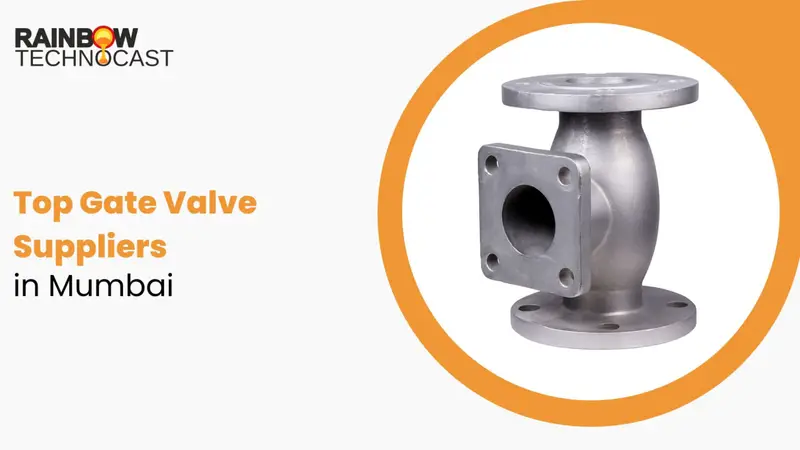
Mumbai’s industrial procurement landscape reveals an uncomfortable pattern: 62% of gate valve failures trace back to inadequate supplier vetting rather than actual manufacturing defects. Most buyers focus solely on price comparisons, overlooking critical factors like material certification, pressure testing protocols, and post-delivery support. This creates a false economy—cheaper valves fail prematurely under rated conditions, forcing emergency replacements that cost 3-4 times the initial savings. The problem intensifies in Mumbai’s complex supply chain where distributors pose as manufacturers and trading companies misrepresent inventory availability. Buyers receive valves that meet dimensional specifications but use substandard materials or skip hydrostatic testing to cut costs. The solution demands systematic supplier evaluation covering manufacturing capability, quality certifications, and technical support depth.
This guide examines gate valve types specified across Mumbai industries, material selection criteria that determine service life, and supplier credentials that separate reliable manufacturers from intermediaries.
Types of Gate Valves Available
Solid wedge gate valves provide maximum strength for high-pressure applications through one-piece gate construction. The design handles pressure classes from 150# to 2500# across oil and gas, petrochemical, and power generation sectors. Rising stem configurations indicate valve position visually during operation.
Flexible wedge designs accommodate thermal expansion without binding. The segmented construction enables slight gate flexing when temperature cycling creates differential expansion between body and internal components. This prevents seat damage common in solid wedge valves during rapid temperature changes.
Knife gate valves slice through viscous media and slurries where standard wedge designs clog. The thin, sharp-edged gate cuts suspended solids cleanly in wastewater treatment, mining, and pulp applications. Bi-directional sealing enables use in both flow directions.
High-Pressure Solutions
Forged gate valves suit compact installations requiring pressure capability in small sizes. Socket weld and threaded connections from ½” to 2″ serve instrumentation and process sampling systems. The forged construction delivers strength-to-weight ratios superior to cast equivalents.
Specifications and Materials
Carbon steel bodies (ASTM A216 WCB) handle general industrial service up to 425°C in refinery and chemical processing. Stainless steel grades (CF8, CF8M, CF3M) resist corrosion in pharmaceutical, food processing, and offshore applications. Alloy steel materials (WC6, WC9) serve high-temperature steam systems above 540°C in power plants.
Pressure ratings follow API 600, API 602, and ASME B16.34 standards. Each class defines pressure-temperature limits that decrease as operating temperature rises. Flanged connections dominate large-diameter pipeline installations.
Industries Served in Mumbai
Oil and gas refineries in Navi Mumbai specify gate valves for pipeline isolation and process control. Fire-safe designs meeting API 607 standards prevent catastrophic leaks during emergency conditions. Double block-and-bleed configurations enable safe maintenance on pressurized hydrocarbon systems.
Chemical processing units in MIDC industrial areas require corrosion-resistant materials for acids, caustics, and solvents. Fugitive emission certifications meet environmental compliance requirements.
Power generation facilities install gate valves in boiler feedwater, steam distribution, and cooling circuits. High-temperature alloy materials resist creep deformation during continuous operation.
Water treatment infrastructure across Mumbai Metropolitan Region relies on large-diameter gate valves for intake, distribution, and sewage systems. Resilient-seated designs with rubber coatings provide bubble-tight shutoff in municipal applications.
Supplier Evaluation Criteria
Manufacturing capability verification prevents surprises after order placement. Suppliers operating casting facilities, machining centers, and assembly lines control quality and delivery timelines. Trading companies create coordination delays by depending on external sources.
Quality certifications separate legitimate manufacturers from distributors. ISO 9001 covers quality management systems, while API 600 certification validates gate valve designs for petroleum service. IBR approval remains mandatory for valves in Indian boiler applications.
Technical support during specification prevents selection errors. Suppliers with engineering teams help match pressure classes to operating conditions, recommend materials for specific media, and provide application-specific documentation.
Quality Assurance Procedures
Hydrostatic testing validates structural integrity before shipment. Shell tests at 1.5 times rated pressure confirm body strength, while seat tests at 1.1 times pressure verify shutoff capability. Digital certificates with traceable serial numbers provide accountability.
Material certification documents chemical composition and mechanical properties. Mill test certificates trace raw material to steel producer heat numbers. Positive material identification confirms actual alloy matches purchase specifications.
Local Supplier Advantages
Geographic proximity enables faster response when critical valves fail unexpectedly. Mumbai-based suppliers dispatch stock items within 24 hours versus 5-7 days from distant manufacturing hubs. Face-to-face meetings clarify technical requirements more effectively than remote communication.
Reduced logistics costs improve project economics. Eliminating interstate freight charges saves 10-15% on delivered costs. Installation support becomes practical when suppliers operate locally.
Frequently Asked Questions
Q: How do I verify a supplier actually manufactures gate valves rather than reselling?
A: Request facility tours to observe casting, machining, and assembly operations. Review certifications like API 600 that require factory audits rather than product testing alone. Check for in-house testing equipment including hydrostatic test benches.
Q: What pressure class should I specify for a system operating at 850 PSI and 350°C?
A: Reference pressure-temperature charts for your selected material grade. Carbon steel Class 900 valves typically rate for 960 PSI at 350°C, providing adequate safety margin. Higher temperatures require higher pressure classes to maintain working pressure.
Q: Can suppliers customize gate valves for unique requirements?
A: Capable manufacturers accommodate modifications including extended stems, special trim materials, and non-standard actuation. Provide complete operating parameters and installation constraints during specification. Custom work typically adds 3-4 weeks to standard lead times.
Q: What documentation should suppliers provide with gate valves?
A: Expect material test reports documenting alloy composition, hydrostatic test certificates with recorded pressures, dimensional inspection reports, and compliance certificates for applicable standards. Critical applications require full traceability from raw material to finished product.
Conclusion
Select suppliers who control manufacturing, maintain comprehensive certifications, and provide engineering support throughout procurement. This approach ensures gate valves perform as specified under actual operating conditions.
Rainbow Technocast manufactures precision-cast gate valve components through integrated facilities serving industrial clients across Maharashtra. Our engineering team supports specification development, material selection, and installation guidance for projects requiring reliable isolation valves in demanding applications.
Sourcing gate valves for your Mumbai facility? Contact our regional sales office with your specifications to receive detailed technical proposals, pressure-temperature documentation, and delivery schedules aligned with your project timeline.